
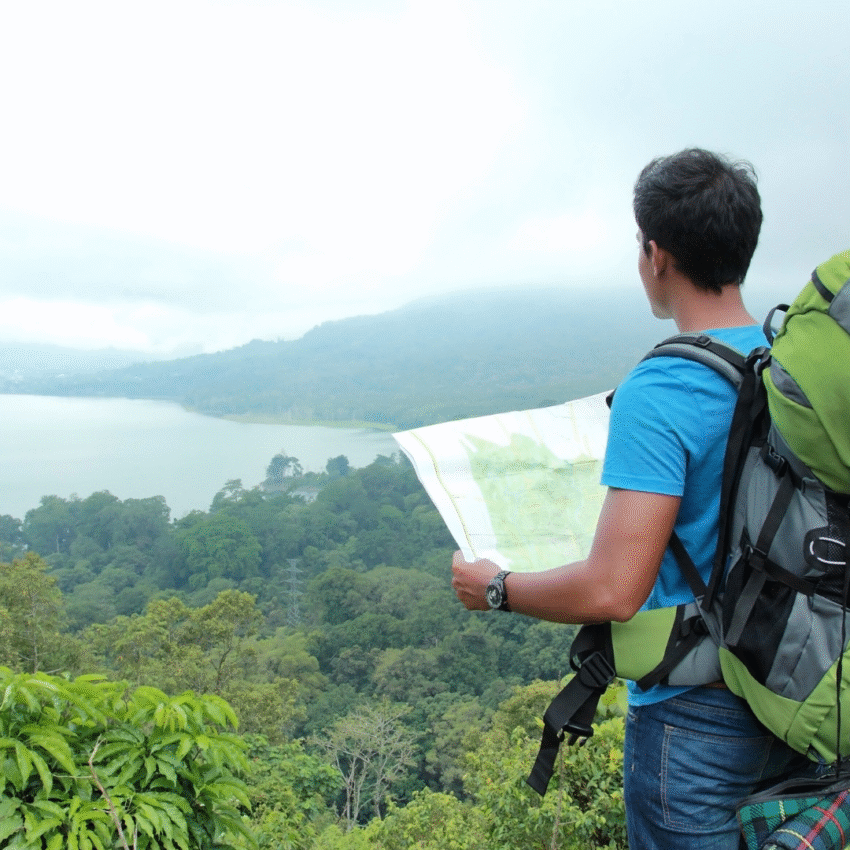
Choosing the perfect travel backpack can significantly enhance the travel experience. A well-selected backpack balances comfort, capacity, and functionality, ensuring it meets the traveller’s specific needs. With numerous options available on the market, understanding the essential features such as size, weight distribution, and mobility is crucial.
Many travellers overlook the importance of fit and adjustability. A backpack that fits well will not only save one from discomfort but also make carrying heavier loads manageable. Features like padded shoulder straps, lumbar support, and adjustable hip belts can make a considerable difference during long journeys.
Moreover, travellers should consider the purpose of their trip. Whether it’s a weekend getaway, a hiking adventure, or an extended overseas trip, different styles and designs serve different needs. Identifying the key features for each type of travel will guide them in selecting the most suitable backpack for their adventures.
Key Features To Look For In A Travel Backpack
Choosing a travel backpack involves paying attention to specific features that enhance comfort and utility. The right elements can significantly enhance the travelling experience, making it essential to evaluate them carefully.
Shoulder Straps And Comfort
Comfort plays a pivotal role in selecting a travel backpack. Look for shoulder straps that are padded for added comfort, as this reduces strain during extended use.
Adjustable straps allow for a customised fit, accommodating different body types. A hip belt can also distribute weight more evenly, relieving stress on the shoulders and back.
Backpacks with ergonomic designs help align with the body’s contours, improving posture and overall comfort, particularly when loaded. A breathable mesh back panel aids ventilation, preventing overheating during warm weather.
Pack Size And Capacity
Pack size and capacity are crucial factors to consider. Backpacks typically range from day packs (20-30 litres) to larger travel packs (40-70 litres).
For short trips, a smaller pack suffices, while extended travels necessitate greater capacity. When assessing size, consider the dimensions of the bag with carry-on regulations for flights.
Expandable features may also prove beneficial, allowing for additional storage when needed. Ultimately, the ideal capacity should accommodate all essentials without overwhelming the traveller.
Compression Straps And Adjustability
Compression straps are vital for maintaining a compact pack profile. They help stabilise the load, preventing the contents from shifting during movement.
Having this feature is especially important for larger backpacks, as it enhances balance and makes carrying more manageable.
Adjustability goes hand in hand with compression; ensuring that straps can be tightened or loosened depending on the load facilitates optimal comfort. A well-adjusted backpack prevents strain and enhances the overall travel experience.
Laptop Sleeve And Organisation
A dedicated laptop sleeve is essential for tech-savvy travellers. This feature offers protection for devices, keeping them secure and separate from other items.
Opt for sleeves with padding to absorb shocks during travel. Adequate organisational pockets for smaller items like chargers, travel documents, and personal items streamline accessibility.
Well-placed compartments prevent rummaging, enhancing convenience during transitions at airports or transit points. Prioritising organisation can simplify packing and improve the overall travel experience.
Choosing The Right Type Of Backpack For Your Journey
Selecting the right type of backpack can significantly impact the overall experience of a trip. They can vary greatly based on the nature of travel, duration, and personal comfort. Understanding these differences ensures travellers make informed choices.
Daypacks Versus Full-Size Travel Packs
Daypacks are ideal for short excursions or day trips. They typically range from 15 to 30 litres in capacity and offer just enough space for essentials like water bottles, snacks, and a light jacket. Their compact size makes them easy to carry during city explorations or outdoor activities.
In contrast, full-size travel packs usually range from 50 to 80 litres. These backpacks suit longer journeys, accommodating clothing, gear, and other necessities. They often feature multiple compartments for better organisation and may include harness systems designed for comfort during extended wear.
Backpacking Packs Versus Trekking And Mountaineering Choices
Backpacking packs are built for versatility, allowing users to carry everything for trips that may vary in duration or activity. They often feature adjustable suspension systems and a range of sizes, from 40 to 80 litres. This adaptability makes them suitable for multi-day treks or leisurely travel.
Trekking and mountaineering packs are specifically designed for rugged terrain and challenging conditions. They come with features like gear loops for climbing equipment, reinforced compartments for avalanche safety gear, and are often made with weather-resistant materials. These packs typically range from 50 to 100 litres, catering to specialized outdoor activities.
Suitcases And Traditional Luggage Alternatives
Suitcases offer a structured option for travellers who prefer wheels over carrying weight. They are available in various sizes, from carry-ons to larger models. Many feature compartments and are made from durable materials that protect belongings during transit.
Traditional luggage may not be as flexible as backpacks, but it is perfect for those staying in hotels. Options can include hard-shell, soft-sided, or rolling luggage, accommodating different types of travel. For convenience, many modern suitcases also come with organisational features, such as packing cubes and mesh dividers, making them suitable for organised packing.
Security, Durability, And Weather Resistance Features
When selecting a travel backpack, it is crucial to focus on security, durability, and weather resistance. Each of these aspects contributes significantly to a seamless travel experience. A well-equipped backpack not only protects belongings but also endures various conditions.
Lockable Zips And Anti-Theft Protection
Lockable zippers offer added security against theft, making it harder for pickpockets to access personal items. Many backpacks feature dual zip closures that can accommodate small padlocks, providing peace of mind during travels. Anti-theft protection may also include hidden pockets and cut-resistant straps, which deter opportunistic thieves.
In addition, some backpacks come with RFID-blocking compartments. These protect sensitive information stored on credit cards and passports from electronic theft. When choosing a backpack, examining the security features can greatly enhance safety and help prevent loss of possessions.
Material Quality And Build
Durability is essential for a travel backpack, as it must withstand varying environments and conditions. High-quality materials like nylon or polyester are often used due to their resistance to wear and tear. Look for heavy-duty stitching and reinforced seams, which enhance the overall strength of the bag.
Furthermore, features like abrasion resistance increase the longevity of the backpack. A well-constructed backpack will endure the rigours of travel, ensuring belongings remain safe and intact throughout the journey. Checking manufacturer specifications and reviews can help determine whether the materials align with durability expectations.
Rain Cover And Weatherproofing
Weather resistance is vital for protecting contents against rain, snow, and dust. A rain cover is an essential feature, as it provides an extra layer of protection during unexpected downpours. Many backpacks come with a dedicated rain cover that can be easily stowed when not in use.
Additionally, consider backpacks with water-resistant coatings or materials, which repel moisture. These features contribute to the backpack’s ability to keep items dry in various weather conditions. Proper weatherproofing allows travellers to focus on their adventures without worrying about the potential for damage to their belongings.
Additional Packing Considerations And Practical Tips
Selecting the right travel backpack involves more than just choosing the right size. Proper fit and packing strategies play a significant role in ensuring comfort and efficiency during travel.
Torso Length And Fit
Choosing a backpack that properly fits torso length is crucial for comfort. Measure the torso length from the base of the neck to the top of the hips. Many brands provide sizing charts to assist with this measurement.
When trying on a backpack, adjust the straps and load the pack slightly to simulate a real-life scenario. Seek a snug fit to prevent the pack from shifting during movement. A well-fitted backpack should allow for even weight distribution, reducing strain on the back and shoulders.
Creating A Packing List
A tailored packing list aids in packing efficiently and ensures nothing essential is left behind. Start by categorising items: clothing, toiletries, electronics, and accessories.
Consider the duration and activities planned during the trip. Create a master list for various trip types. For instance, a hiking trip may require more specialised gear.
Prioritise multipurpose items, such as convertible trousers or lightweight jackets. Check items off the list as they are packed to maintain organisation and optimise space.
Versatility For Different Activities
A travel backpack should adapt to various activities, from city exploration to hiking. Look for features like adjustable compartments and external attachment points. A pack with a hydration reservoir can enhance comfort during outdoor activities. Additionally, consider a bag that accommodates a laptop and travel documents for urban settings.
Ensure the material is durable and weather-resistant, especially for diverse climates. This versatility allows travellers to maximise utility while keeping gear secure and organised, no matter the adventure.