
Natural wonders around the world showcase the planet’s most extraordinary landscapes, shaped by natural forces over millennia. From towering mountains to vast coral reefs, these sights offer unique experiences that highlight Earth’s incredible diversity.
Some of the most remarkable natural wonders include the vast Grand Canyon, the vibrant Great Barrier Reef, and the dramatic Northern Lights. Each location presents distinct features worth exploring for anyone interested in nature’s raw beauty.
Travel enthusiasts and nature lovers often seek these wonders for their awe-inspiring views and the chance to connect with environments largely untouched by human activity. They reveal the power and artistry of the natural world undeniably.
Iconic Natural Wonders to Explore
These natural wonders stand out for their unique features and remarkable scale. They offer unforgettable experiences through towering heights, vast landscapes, and powerful water flows.
Mount Everest: The World’s Highest Peak
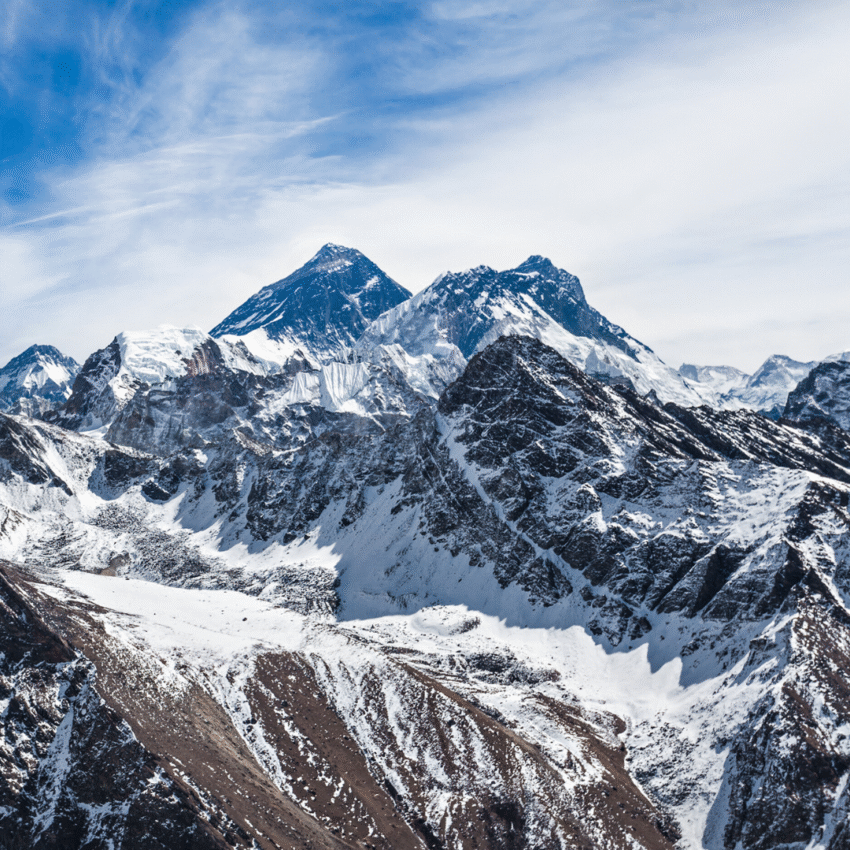
Mount Everest, located on the border between Nepal and Tibet, is the highest peak on Earth at 8,848.86 metres. It attracts climbers seeking to conquer its extreme altitude and challenging conditions.
The mountain’s slopes feature icefalls, crevasses, and steep rock faces, requiring advanced mountaineering skills. Its summit provides breathtaking views of the Himalayas, often above cloud cover.
Everest’s height influences local weather patterns and ecology. Despite the dangers like avalanches and altitude sickness, thousands attempt to reach the top each year, marking it as a powerful symbol of natural achievement.
The Grand Canyon: Nature’s Majestic Chasm
The Grand Canyon, carved by the Colorado River in Arizona, USA, stretches 446 kilometres long and reaches depths of over 1,800 metres. Its layered rock formations reveal nearly two billion years of geological history.
Visitors explore its rim trails, viewpoints like Mather Point, and river rafting adventures. The canyon’s dramatic colours shift with the sunlight, creating spectacular views at any time of day.
This vast chasm dominates the arid landscape, offering rich biodiversity with desert flora and fauna. It remains an important site for Native American cultures and a key attraction in the American Southwest.
Victoria Falls: The Smoke That Thunders
Victoria Falls lies on the Zambezi River, forming the boundary between Zambia and Zimbabwe in Africa. It is one of the largest and most powerful waterfalls in the world, with a width of 1,708 metres and a height of 108 metres.
The falls create a distinctive mist visible from miles away, earning the name “Mosi-oa-Tunya” or “The Smoke That Thunders.” The roaring sound and spray make it a dramatic natural spectacle.
The surrounding rainforest supports diverse wildlife, nourished by the waterfall’s spray. Visitors can experience walking trails, boat cruises, and viewing platforms on both the Zambian and Zimbabwean sides.
Diverse Landscapes and Unique Ecosystems
Natural environments across the globe exhibit a wide range of distinct landscapes and ecosystems. These include vibrant marine habitats, expansive rainforests, vast salt flats, and dynamic wildlife areas, each offering specialised conditions that support unique flora and fauna.
Great Barrier Reef: Underwater Paradise
The Great Barrier Reef, located off Australia’s coast, is the world’s largest coral reef system, stretching over 2,300 kilometres. It is home to thousands of marine species, including diverse coral formations, tropical fish, turtles, and sharks.
Visitors can explore the reef through diving and snorkelling, experiencing vibrant coral reefs and clear waters. The reef plays a crucial role in marine biodiversity and supports local economies via tourism and fishing. Its health is threatened by climate change, coral bleaching, and pollution, making conservation efforts vital.
Amazon Rainforest: Earth’s Green Heart
The Amazon Rainforest spans parts of South America, primarily Brazil, Ecuador, and surrounding countries. It covers approximately 5.5 million square kilometres, making it the largest tropical rainforest on Earth.
This rainforest hosts unparalleled biodiversity, including millions of species of plants, insects, birds, and mammals. It regulates global oxygen and carbon dioxide levels and sustains Indigenous communities. The ecosystem’s complexity and density are crucial for climate regulation and water cycles.
Salar de Uyuni: Bolivia’s Dazzling Salt Flat
Salar de Uyuni is the world’s largest salt flat, covering over 10,500 square kilometres in southwest Bolivia. This vast, white plain formed from prehistoric lakes is a significant lithium reserve and a striking natural landmark.
During the rainy season, a thin layer of water turns the surface into a giant mirror, reflecting the sky. The salt flat supports unique microbial life adapted to high salinity. It attracts photographers and tourists due to its surreal visual effects.
Serengeti National Park: Africa’s Wildlife Spectacle
The Serengeti National Park, located in Tanzania, is renowned for its extensive savannah ecosystem and vast populations of wildlife. It is famous for the annual migration of over 1.5 million wildebeest, accompanied by zebras and gazelles.
The park sustains a broad range of species, including lions, elephants, cheetahs, and hyenas, within well-preserved habitats. Its ecosystem balance supports predator-prey relationships crucial for biodiversity. Safari tourism here helps fund conservation and supports local communities.
Extraordinary Geological Formations and Phenomena
This section presents a range of unique geological sites shaped by natural forces over millennia. Each location offers a distinct landscape and geological history that attracts visitors interested in earth science and natural beauty.
Antelope Canyon: Arizona’s Sandstone Wonder
Antelope Canyon, located in northern Arizona, is a slot canyon known for its narrow passageways and smooth, wave-like walls. These striking sandstone formations were carved by flash flooding and erosion over thousands of years.
Light beams streaming through narrow openings create dramatic visuals, especially in the Upper Canyon. This phenomenon, combined with the rich orange and red hues of the sandstone, makes it a favourite among photographers.
Visitors access Antelope Canyon through guided tours controlled by the Navajo Nation. Safety precautions are important due to the risk of sudden flooding in this naturally confined space.
Parícutin Volcano: Mexico’s Youngest Mountain
Parícutin Volcano in Michoacán, Mexico, is remarkable for its sudden emergence in 1943 from a cornfield. Its rapid growth, reaching 424 metres in height within a decade, offers a rare example of a volcano being closely observed from birth.
The volcano’s eruption lasted nine years, covering nearby villages in ash and lava. Today, it stands as a cinder cone mountain accessible to hikers and volcanologists alike.
Parícutin’s formation provides key insights into volcanic activity and the Earth’s geological processes. It is considered one of the world’s youngest volcanic formations that can be explored on foot.
Giant’s Causeway: Northern Ireland’s Basalt Columns
The Giant’s Causeway features around 40,000 interlocking basalt columns along the northeast coast of Northern Ireland. These hexagonal columns formed roughly 60 million years ago during intense volcanic activity.
This geological phenomenon is notable for the precision of its polygonal shapes. The columns rise from the sea and create rugged cliffs and natural steps that draw scientists and tourists.
Declared a UNESCO World Heritage Site, the Giant’s Causeway blends geological interest with mythological tales, linking natural history with cultural narratives.
Uluru: Australia’s Sacred Monolith
Uluru, also known as Ayers Rock, is a massive sandstone monolith rising 348 metres above the desert floor in Australia’s Northern Territory. It holds deep cultural significance for the Anangu people, the traditional custodians of the land.
The rock’s distinct red colour is due to iron oxidation on its surface. Uluru’s geological history spans over 500 million years, with erosion and sedimentation shaping its current form.
Visitors respect the strict guidelines set by indigenous groups to protect Uluru’s cultural and environmental integrity. The site represents both a geological marvel and a centre for Aboriginal culture and spirituality.
Spectacular Natural Wonders Off the Beaten Path
These natural wonders present unique opportunities for exploration, showcasing rare ecosystems, impressive geological formations, and visual phenomena. Visitors find diverse wildlife, striking landscapes, and unforgettable experiences beyond usual tourist circuits.
Galápagos Islands: Living Laboratory of Evolution
The Galápagos Islands, off Ecuador’s coast, are renowned for their significant role in Charles Darwin’s theory of evolution. Isolated ecosystems harbour species such as giant tortoises and blue-footed boobies, found nowhere else on Earth. The islands’ volcanic origins contribute to diverse habitats, including lush highlands and barren lava fields.
Strict conservation measures limit visitor numbers, protecting fragile environments. Explorers can observe wildlife up close, including marine iguanas and Galápagos penguins. The region’s clear waters are ideal for snorkelling, revealing vibrant marine life. The islands remain a critical site for biological research and ecological preservation.
Iguazu Falls: Argentina and Brazil’s Thundering Curtain
Iguazu Falls spans the border between Argentina and Brazil and consists of over 270 individual waterfalls. The most dramatic section, the Devil’s Throat, drops nearly 80 metres, creating a persistent mist and roar. It is part of the Iguazu National Park, a UNESCO World Heritage site, supporting rich subtropical rainforest biodiversity.
Visitors can access boardwalks and viewpoints in both countries, offering varied perspectives. Wildlife includes coatis, toucans, and diverse butterfly species. The falls’ immense scale and power provide an impressive natural spectacle, less crowded than more famous waterfalls.
Pamukkale: Turkey’s Thermal Terraces
Pamukkale, located in southwestern Turkey, is known for its terraces of white travertine formed by thermal waters rich in calcium carbonate. The cascading pools originate from hot springs that have created the terraces over thousands of years. Nearby lies the ancient city of Hierapolis, featuring Roman ruins and a historic theatre.
Visitors can bathe in warm, mineral-rich waters, believed to have therapeutic properties. The stark contrast of white terraces against the surrounding landscape makes Pamukkale visually striking. The site combines natural and cultural heritage, attracting those interested in history alongside natural phenomena.
Aurora Borealis: Nature’s Dazzling Light Show
The Aurora Borealis, or northern lights, occur in polar regions like Norway, Finland, Iceland, and Alaska. This light display results from charged particles from the sun interacting with Earth’s magnetic field, producing vibrant colours often green, pink, or purple. The phenomenon is best viewed on clear nights from late autumn to early spring.
Remote locations with minimal light pollution improve visibility. Tourists can join guided tours focused on aurora hunting, which sometimes include other activities such as dog sledging or snowshoeing. The lights’ unpredictable patterns and intensity make witnessing the aurora a rare and prized experience for many.