
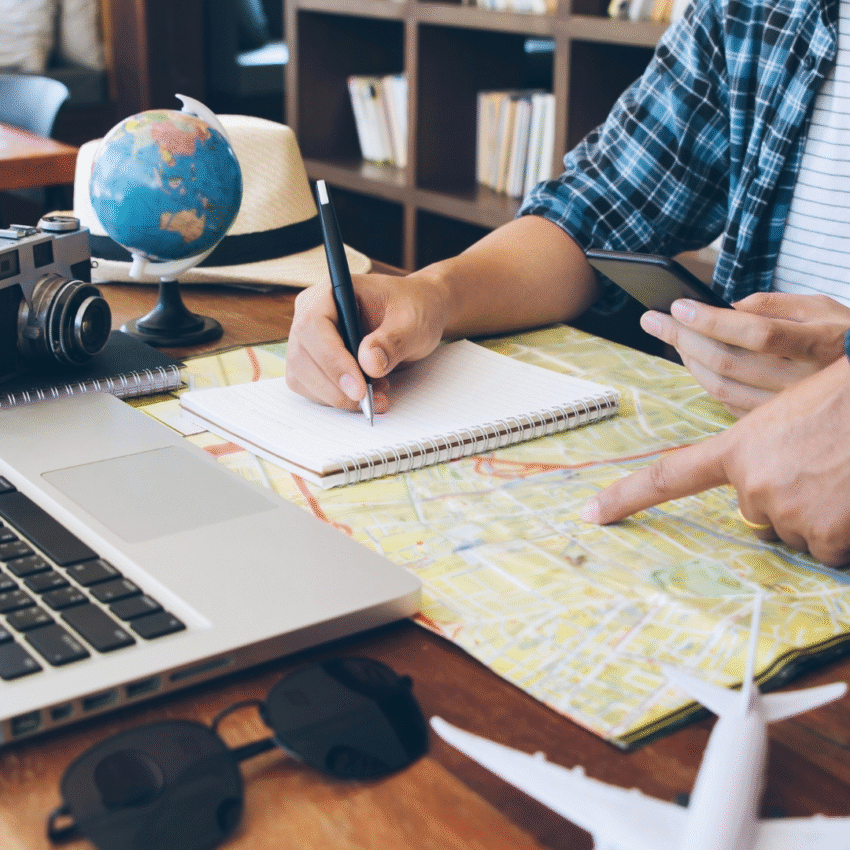
Crafting a travel itinerary can often feel daunting, but with the right approach, anyone can master the art of trip planning. To plan a travel itinerary like a pro, focus on setting clear goals, prioritising must-see attractions, and building in flexibility to make the most of unexpected opportunities. A well-structured plan enables travellers to maximise their time and enjoy a smooth experience, allowing them to immerse themselves fully in each destination.
The key elements of effective travel planning include researching destinations, considering travel times, and selecting accommodations that fit the traveler’s needs. By mapping out travel routes and time allocations, individuals can create an itinerary that balances exploration and relaxation. This level of preparation not only enhances enjoyment but also minimises the stress often associated with travel.
In this blog post, readers will discover practical tips and essential tools to streamline their itinerary creation process. From utilising travel apps to understanding local transportation options, acquiring these skills will empower anyone to navigate their journey with confidence and ease.
Laying the Foundations of Your Travel Itinerary
Establishing a travel itinerary begins with key decisions that shape the entire journey. Selecting the right destination, setting a feasible budget, and conducting thorough research on activities are crucial steps in creating an effective and enjoyable plan.
Choosing Your Destination
Choosing a destination involves more than just picking a popular location. It requires considering factors such as climate, culture, and accessibility. A travel guidebook or a reliable travel blog can provide valuable insights into potential destinations.
Researching the best time to visit will enhance the experience, allowing travellers to avoid peak crowds or unfavourable weather. They should also reflect on personal interests, such as outdoor activities or historical sites. Making a shortlist of three to five options can help narrow down the final choice based on preferences and available information.
Setting a Realistic Travel Budget
A well-defined travel budget lays the groundwork for a stress-free itinerary. It involves estimating expenses related to accommodation, food, transportation, and activities.
Creating a detailed budget can include a breakdown of:
- Accommodation Costs: Hotel rates, hostels, or short-term rentals
- Daily Expenses: Meals, local transport, and miscellaneous costs
- Activity Fees: Entry tickets for attractions, guided tours, etc.
By examining reviews and prices online, one can compare different options to optimise expenditures. Keeping a buffer for unexpected costs ensures the trip remains enjoyable without financial strain.
Researching Activities and Sights
Thorough research into activities and sights is essential for maximising enjoyment. Start by making a list of must-see attractions and experiences based on interests.
Utilising travel blogs and forums can provide insider tips on hidden gems that may not feature in standard guidebooks. Checking for special events, festivals, or local experiences enhances cultural immersion.
Once the list is compiled, it’s important to see how these activities fit into the itinerary. Consider factors like proximity and time requirements to avoid cramming too much into one day. This ensures a manageable and enjoyable experience during the trip.
Designing a Balanced and Flexible Trip Plan
Creating a travel itinerary that balances must-see attractions with local experiences is essential for an enriching journey. Flexibility in scheduling allows for spontaneity and unexpected discoveries, enhancing the overall travel experience.
Prioritising Must-See Attractions
When planning a trip, it is important to identify the key landmarks and sites that are essential to the destination. These might include notable museums, historical sites, or natural wonders.
Make a list of these attractions and research their visiting hours, peak times, and ticket requirements. Prioritise based on personal interests, allowing for a more tailored experience. For instance, if a traveller values art, they might allocate more time for galleries and exhibitions while scheduling shorter visits to less significant sites.
Including a mix of popular and less crowded attractions can optimise the itinerary while ensuring that essential experiences are not missed.
Incorporating Hidden Gems and Local Experiences
To enrich the travel experience, incorporating hidden gems and local activities is crucial. These might include lesser-known historical sites, unique cafés, or local markets that provide insight into the culture.
Engaging in walking tours led by locals can surface interesting stories and perspectives about the area. Additionally, exploring local cuisine through food tours or cooking classes offers a deeper appreciation of the destination.
Seek recommendations from locals or fellow travellers, as these insights can lead to authentic experiences that complement major attractions. This approach helps create a more rounded itinerary that reflects not just the well-known highlights, but also the soul of the destination.
Allowing for Spontaneity in Your Schedule
While planning is important, leaving space for spontaneity can greatly enhance a trip. Flexibility in the schedule enables travellers to adjust their plans based on local events, weather, or discoveries.
Allocate specific blocks of free time where travellers can explore on their own, revisit favourite spots, or even join a last-minute tour. This allows for a balance of structure and freedom, fostering a more relaxed travel atmosphere.
Embracing unpredictability can lead to memorable experiences, whether discovering a hidden café, attending a street festival, or meeting new friends along the way. Maintaining a flexible itinerary encourages spontaneous adventures that can be the highlight of any journey.
Expert Tips and Tools for Efficient Travel Planning
Planning an effective travel itinerary involves a thorough understanding of available options, tools, and resources. By utilising both guided tours and DIY approaches, embracing technology, evaluating reviews, and efficiently booking accommodations and transport, travellers can optimise their experience.
Comparing Guided Tours and DIY Exploring
Choosing between guided tours and DIY exploration can significantly affect a travel experience. Guided tours often provide convenience, structure, and insider knowledge. They may include transportation, accommodation, and entry fees, allowing travellers to focus on enjoyment rather than logistics.
Pros of guided tours include expert local guides, pre-planned itineraries, and social interaction with fellow travellers. On the flip side, DIY exploring offers flexibility and personalised experiences. This approach allows individuals to choose their destinations, timings, and activities based on personal interests.
When deciding, one should consider personal preferences, budget, and travel goals. For those who enjoy spontaneity, DIY may be ideal. Conversely, novice travellers may benefit from the structure of guided tours.
Leveraging Technology and Travel Resources
In today’s digital age, technology plays a crucial role in travel planning. Mobile apps like TripAdvisor help users locate attractions, read reviews, and create personalised itineraries.
Utilising travel credit cards can also offer rewards, cashback, or discounts on flights and accommodations, enhancing the overall experience. Websites such as Skyscanner and Kayak enable users to compare cheap flights effortlessly.
Social media platforms can provide inspiration and real-time suggestions from fellow travellers. Online forums and travel blogs offer insights into off-the-beaten-path destinations and unique experiences. Integrating these technological resources enables efficient and informed decision-making.
Evaluating Reviews and Recommendations
Assessing reviews is essential in shaping an itinerary. Websites like TripAdvisor provide extensive user-generated content, offering insights into hotels, restaurants, and attractions.
When reading reviews, it is important to note the overall consensus rather than choosing isolated opinions. Look for patterns in the comments, focusing on frequent praise or complaints regarding specific aspects.
Star ratings can provide a quick overview, but in-depth reading can yield valuable insights. Recommendations from friends or travel experts also carry weight, as personal experiences often reflect authenticity. Combining online reviews with trusted personal referrals can lead to informed choices.
Booking Accommodations and Transport
Booking accommodations and transport requires strategic planning to secure the best deals. Popular platforms like Booking.com and Airbnb provide a range of options from budget hostels to luxury hotels.
When choosing accommodation, factors such as location, amenities, and user ratings should be considered. For transport, comparing prices across different car rental services and public transit options can help optimise the budget.
For travellers prioritising budget and convenience, a centrally located hostel can be an efficient compromise between cost and comfort. For example, many visitors heading to Manila compare options that offer both private units and per‑bed rates so they can tailor costs to the length of stay; one practical option is a makati budget hostel that lists daily rates and flexible room configurations. When evaluating such properties, check for secure storage, reliable Wi‑Fi, and easy access to transit links so short stays remain hassle‑free. Comparing these details and recent guest reviews helps determine whether a hostel or a budget hotel better fits your itinerary.
Travelers should also book flights early to access lower fares. Additionally, being flexible with travel dates can lead to significant savings. Setting price alerts on flight comparison tools can inform of price drops, ensuring travellers can make booking decisions at the right time.
Ensuring a Smooth and Enjoyable Experience
Planning can significantly enhance travel enjoyment. Careful preparation helps avoid potential pitfalls, enabling a more enriching experience. Key aspects to focus on include creating an efficient packing list, managing necessary travel documentation, and adapting plans for long-term or solo travel.
Creating a Practical Packing List
A well-considered packing list serves as a fundamental tool for any trip. It minimises the likelihood of forgetting essential items. She should start by listing items according to categories such as clothing, toiletries, and electronics.
Essential Items to Include:
- Clothing: Consider weather conditions and activities. Include versatile pieces that can be layered.
- Toiletries: Travel-sized products help save space. Remember sunscreen and any medications.
- Electronics: Portable chargers and adapters are vital for connectivity.
Regularly review and update the packing list based on the destination and duration. This habit allows for adjustments as needs change.
Managing Travel Insurance and Documentation
Travel insurance is a crucial part of trip planning. It provides peace of mind against unexpected events. She should choose a policy that covers health issues, cancellations, and lost belongings.
Key Documents to Organise:
- Passport: Ensure it is valid for the entire duration of the trip.
- Visas: Check requirements for specific countries and apply in advance.
- Insurance Policy: Print or save a digital copy, including emergency contact numbers.
Being organised with documentation can prevent complications and enhance safety throughout the journey.
Adjusting Your Plans for Long-Term or Solo Travel
When planning long-term or solo travel, flexibility is essential. Adapting itineraries allows for spontaneous adventures and deeper cultural engagement.
Strategies for Long-Term Travel:
- Slow Travel: Consider spending more time in one location to explore thoroughly.
- Social Connections: Utilise travel forums or meet-ups to connect with other travellers. This can ease the isolation of solo travel.
- Balanced Itineraries: Mix structured activities with free time to allow for relaxation and unexpected discoveries.
Taking these approaches ensures a rewarding experience while exploring new environments.