
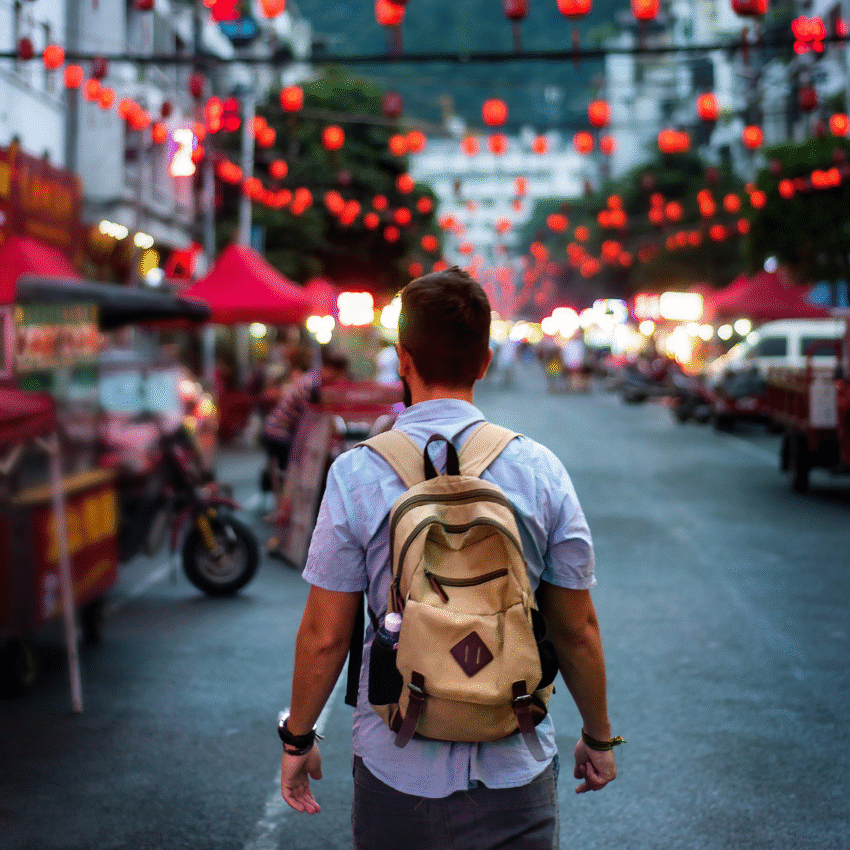
Slow travel focuses on spending more time in fewer places, allowing deeper experiences without rushing. He or she can embrace slow travel on any budget by prioritising local experiences, choosing affordable accommodation, and using cost-effective transport options. This approach reduces stress and often saves money while offering a richer connection to the destination.
Instead of ticking landmarks off a list, slow travellers engage with the culture, visit markets, and explore neighbourhoods organically. It’s about quality, not quantity, making travel more meaningful regardless of financial constraints.
Adopting slow travel means adjusting expectations and planning less but living more in each moment. With careful choices, anyone can experience this balanced way to see the world affordably.
The Principles and Benefits of Slow Travel
Slow travel focuses on spending more time in fewer places, encouraging deeper connections with local culture, environment, and community. It values mindful exploration, cost efficiency, and sustainable habits, which align well with budget travellers and those embracing a slow travel lifestyle.
What Is Slow Travel?
Slow travel means taking time to experience a destination fully rather than rushing to tick off numerous sites. It involves longer stays that allow travellers to settle into local routines, understand cultural nuances, and engage with residents.
This approach shifts focus from quantity to quality, reducing travel-related stress and carbon footprint. It often includes walking, cycling, or using local transport instead of frequent flights or speedier modes. Slow travel also encourages conscious travel choices, supporting local businesses and sustainable tourism practices.
Why Choose Slow Travel Over Fast-Paced Trips?
Choosing slow travel over fast-paced trips allows travellers to avoid the exhaustion and superficial experiences often caused by hurried itineraries. Spending more time in one place facilitates genuine connections, language learning, and a better grasp of daily life.
Long-term travel opportunities arise naturally, making it easier to budget and plan. Slow travel discourages tourist traps and promotes authenticity, helping travellers immerse themselves in local customs and traditions. This lifestyle suits those looking for meaningful experiences instead of sightseeing checklists.
Key Advantages for Budget Travellers
Slow travel reduces transportation expenses by limiting flights and long-distance trips. Staying in one place longer often leads to significant savings on accommodation, especially with options like monthly rentals or homestays.
Budget travellers benefit from discovering affordable local markets, cooking meals, and avoiding expensive tourist areas. This method encourages financial discipline while opening opportunities for new skills, such as language learning or volunteering.
| Advantage | Explanation |
| Lower transport costs | Fewer flights, more local travel |
| Cheaper accommodation | Discounts on long-term stays |
| Sustainable spending | Supporting local businesses, reducing waste |
| Cultural immersion | Access to local markets and experiences |
Slow travel empowers budget travellers to maximise experiences without overspending while promoting a conscious travel mindset.
Planning a Slow Travel Itinerary on Any Budget
Creating a slow travel itinerary on a budget requires careful destination choice, adaptable scheduling, and optimising longer stays to reduce expenses. Each step impacts travel costs and the overall experience, prioritising meaningful encounters over rapid movement.
Selecting Budget-Friendly Destinations
Choosing destinations with lower living costs is essential for budget travel. Countries in Southeast Asia, parts of Eastern Europe, and Central America often offer affordable accommodation, meals, and transport. He or she should research local prices for essentials like food and public transit to estimate daily expenses accurately.
Seasonality influences prices significantly. Travelling during shoulder or off-peak seasons can reduce costs and avoid crowds. Prioritising smaller towns or rural areas over major cities also lowers expenses while providing authentic cultural experiences.
Crafting a Flexible Travel Itinerary
Flexibility is key in a slow travel itinerary. Instead of fixed dates, travellers should opt for open-ended stays or extend visits if accommodation deals improve. This approach allows adapting plans to budget-friendly opportunities such as discounts or last-minute offers.
Using public transport and considering slower transit options helps reduce costs. Planning fewer travel days with longer durations in each location cuts spending related to transfers and tickets. Breaking down the itinerary by weeks or months instead of days makes adjustments easier.
Maximising Longer Stays for Savings
Longer stays often come with significant savings on accommodation. Booking weekly or monthly rentals usually reduces nightly rates compared to short stays. Platforms like Airbnb or local guesthouses often provide better deals for extended visits.
Long stays encourage deeper local engagement, which may lead to additional savings. For example, shopping at markets rather than tourist spots lowers food costs. He or she can also negotiate with hosts for discounts or work exchanges in exchange for accommodation.
By focusing on extended visits and flexible planning, it becomes possible to maintain a slow travel lifestyle without exceeding a tight budget.
Affordable Accommodation and Transportation Choices
Choosing budget-friendly places to stay and ways to get around is essential for slow travel. Options like shared spaces can reduce costs, while local rentals offer comfort and authenticity. Efficient use of public transport saves money and supports longer stays.
Hostels and Shared Spaces
Hostels remain one of the most affordable accommodation options for slow travellers. Many hostels provide dormitory-style rooms with shared facilities, which significantly lower costs compared to private hotels.
Beyond dorms, some hostels offer private rooms at a reasonable price, ideal for those seeking more privacy without a big price increase. Amenities like communal kitchens and lounges encourage socialising and can help reduce food expenses.
Shared spaces extend beyond traditional hostels, including guesthouses and homestays. These provide cultural immersion opportunities while keeping accommodation expenses manageable.
Saving with Airbnb and Local Rentals
Airbnb and similar platforms allow travellers to rent apartments or rooms directly from locals, often at rates lower than hotels. Long-term stays frequently come with discounts, making it more affordable to settle in one place and explore slowly.
Rentals offer amenities such as kitchens and laundry facilities, which reduce the need for eating out or paying for laundry. This capability supports a thorough and budget-conscious travel experience.
Careful research is essential to avoid fees or hidden costs. Reviews and clear communication with hosts help ensure the rental matches the traveller’s needs and budget.
Leveraging Public Transportation Systems
Using local public transportation is a cost-effective way to move between and within cities. Many destinations offer daily, weekly, or monthly passes for buses, trams, and trains that can significantly cut travel expenses.
Some regions also provide discount rates for tourists or residents, such as multi-ride bus tickets or combined transit and attraction passes. Planning routes around these options maximises savings and convenience.
Flights are less suited for slow travel because of higher costs and greater environmental impact. Prioritising trains and buses supports both sustainability and budget needs.
Authentic Experiences and Cultural Immersion
Experiencing a destination’s culture deeply often requires active participation and genuine interaction. Travellers can connect through local customs, community activities, and mindful support of the areas they visit. This approach enhances travel beyond sightseeing to meaningful engagement with people and traditions.
Engaging with Local Culture
Immersing in local culture means more than observing; it involves learning and practising daily customs. Staying in family-run guesthouses or homestays offers direct contact with local lifestyles. Participating in cooking classes or craft workshops provides hands-on experience with traditional skills.
Simple actions like greeting people in the local language or shopping at neighbourhood markets deepen understanding. These choices foster relationships and open doors to authentic stories and insights unavailable through tourist centres.
Participating in Cultural Events
Attending local events enables travellers to witness heritage and communal pride. Festivals, religious ceremonies, and markets showcase traditions and local creativity. Engaging respectfully at these events offers a perspective on the community’s values and social rhythms.
Planning travel to coincide with such occasions creates opportunities for meaningful cultural exchange. Observing etiquette, including dress codes or photography rules, maintains respect. These moments often become highlights of slow travel experiences, enriching personal and cultural knowledge.
Supporting Conscious Travel Practices
Supporting conscious travel prioritises the welfare of local communities and environments. Staying at locally owned lodgings, hiring local guides, and buying hand-made souvenirs ensures money benefits residents rather than large corporations.
Volunteering or participating in community projects allows travellers to contribute meaningfully. Being aware of cultural sensitivities and avoiding exploitative activities upholds ethical standards. Conscious travel aligns with slow travel’s intent to leave positive, sustainable impacts while enjoying immersive experiences.