
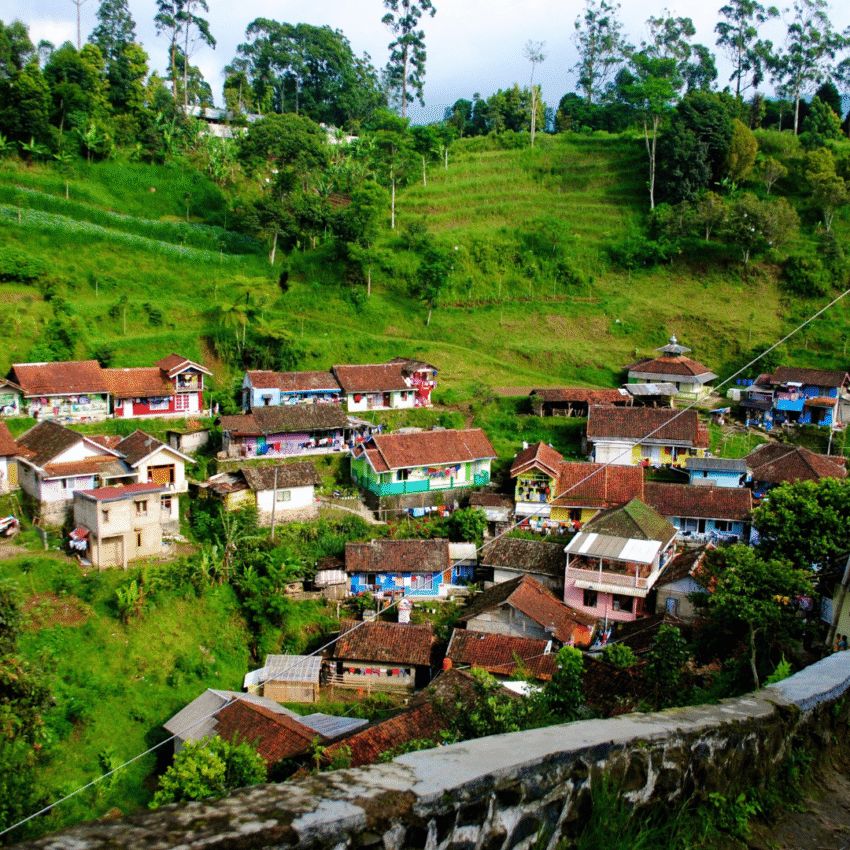
Small villages offer a unique glimpse into the heart of local culture, where traditions, architecture, and community spirit remain largely untouched by modern urbanisation. They provide authentic experiences that highlight the genuine charm of a region, far from the typical tourist crowds.
These villages capture local charm through their preserved heritage, friendly residents, and the slower pace of life that reflects true regional identity. Visitors can expect to find quaint streets, traditional crafts, and local customs that tell stories of the past and present.
Exploring these small communities often reveals hidden gems like artisanal markets, historic landmarks, and picturesque landscapes. They invite travellers to connect with the culture in a meaningful and unhurried way.
Defining Local Charm in Small Villages
Local charm in small villages emerges from the combination of physical features, cultural practices, and deep-rooted history. These elements work together to create a distinctive atmosphere that draws visitors and preserves community identity.
Quaint Streets and Unique Architecture
Quaint streets lined with cottages built from local stone or brick define much of the charm in small English villages. Narrow lanes, often cobbled or bordered by low stone walls, contribute to a sense of intimacy and history.
Architectural styles vary by region but frequently include timber-framed houses, thatched roofs, and colourful garden walls. Many villages have a village green or central square, which acts as a social and visual focal point.
These streets often avoid modern uniformity, with buildings from different centuries standing side by side. This mix reflects centuries of adaptations without large-scale redevelopment, preserving authenticity.
Community Traditions and Atmosphere
The atmosphere in small villages stems from long-standing community traditions such as markets, fairs, and seasonal festivals. These events foster neighbourliness and help maintain local culture.
Villagers often gather in historic pubs or community halls, where stories and news are shared in familiar settings. This enhances a feeling of belonging absent in larger urban areas.
Local crafts, farming practices, and dialects all contribute to the village’s identity. These traditions are often maintained through voluntary groups and local schools, keeping cultural links strong.
The Role of Small Towns in British Heritage
Small towns and villages form the backbone of Britain’s rural heritage. Their preservation allows for ongoing appreciation of the English countryside’s historical landscape.
They often feature listed buildings and protected green spaces that embody centuries of social and economic evolution. These places provide insight into agricultural practices and artisan crafts still relevant today.
Small towns also support tourism by offering authentic experiences not found in cities. This role promotes conservation of local environments while contributing economically to rural areas.
Iconic Villages and Their Distinctive Features
These villages stand out for their unique architectural styles, historical significance, and cultural links. Each village offers a specific glimpse into regional traditions and local craftsmanship, preserving character through time.
Castle Combe: The Quintessence of Cotswold Stone
Castle Combe is often regarded as a textbook example of Cotswold stone architecture. Its honey-coloured limestone cottages and medieval streets create an authentic rural atmosphere. The village’s layout dates back to the 14th century, with narrow lanes and a market cross at its centre.
The village’s stone houses, steep roofs, and ironwork reflect traditional craftsmanship. Castle Combe also has a 13th-century market cross and the Church of St Andrew, which boasts Norman elements. The village is largely unchanged, capturing Cotswold charm without modern alteration.
Bibury and Arlington Row: Historic Beauty in the Cotswolds
Bibury is famed for Arlington Row, a line of 17th-century weavers’ cottages with steep slate roofs. Built originally as a wool store, Arlington Row became iconic through its preservation and picturesque setting beside the River Coln.
The cottages feature thick stone walls and mullioned windows, typical of the Cotswolds. Bibury’s peaceful ambience and trout-filled rivers give it rural charm. The village exemplifies the region’s historical reliance on the wool industry and its evolution into a tourist attraction focused on heritage.
Hawkshead and Grasmere: Literary Ties in the Lake District
Hawkshead and Grasmere are known for their connections with the Romantic poet William Wordsworth. Hawkshead retains narrow cobbled streets and whitewashed cottages. It houses the Hawkshead Grammar School, attended by Wordsworth.
Grasmere, surrounded by fells, is home to Dove Cottage, where Wordsworth lived and wrote. The village features stone cottages and a churchyard holding his grave. Both villages combine natural beauty with cultural history, attracting those interested in English literature and the Lake District’s landscape.
Bakewell: Culinary Treats and Stone Cottages
Bakewell is famous for its Bakewell Pudding, a baked almond and jam tart said to have originated here. The traditional market town also displays Derbyshire stone cottages and a historic market square.
Its buildings display a mix of stonework styles, often with mullioned windows and slate roofs. The town has a medieval bridge and a range of shops selling local crafts and produce. Bakewell offers both architectural appeal and a distinct culinary identity within the Peak District region.
Experiencing Local Life: Activities and Culture
Small villages offer a rich blend of tastes, traditions, and tales, inviting visitors to engage directly with their heritage. From culinary delights to historic landmarks, each element reveals the distinct character of these communities.
Food and Regional Specialities
Many villages boast unique dishes crafted from local ingredients. For example, cream teas made with clotted cream and scones are a staple in West Country villages.
Fresh seafood often features in coastal areas such as Blakeney Point, where crab and mussels are common on menus. Hearty stews and seasonal vegetables are popular inland, with recipes passed through generations.
Farmers’ markets provide access to artisan cheeses, homemade breads, and locally grown produce. These markets often serve as community social hubs, offering more than just food.
Antiques and Art Festivals
Art festivals in small villages showcase local and visiting artists, often held in historic buildings or open-air markets. These events frequently include pottery, textiles, and paintings unique to the area.
Antique fairs attract collectors interested in regional crafts, furniture, and historic memorabilia. Items might range from rustic tools to jewellery with provenance linked to village history.
Annual art festivals near Tintagel Castle align with themes in local legend and history, drawing enthusiasts who appreciate cultural context as well as craftsmanship.
Outdoor Adventures and Hiking Trails
Walking trails around villages like those along the River Eye reveal scenic views and natural features specific to the locality. Well-marked paths vary from gentle strolls to challenging hikes.
Blakeney Point offers wildlife walks, especially for birdwatching, with seals often spotted nearby. The terrain includes salt marshes and dunes unique to this coastal region.
Hiking near Tintagel provides both exercise and a historical journey, with pathways leading to the castle. These walks encourage exploration of both natural beauty and legend.
Exploring Local Legends and Historic Sites
Tintagel Castle, linked to the King Arthur legend, is a focal point of myth and history. The site includes ruins and dramatic coastline views, drawing visitors intrigued by medieval tales.
Villages often have small museums or plaques detailing local folklore and archaeological discoveries. These resources enrich understanding of the area’s past beyond its physical remains.
Historic churches, bridges, and mills illustrate the everyday life of previous centuries, offering context to the stories that define each village’s identity.
Preserving Charm: Sustainable Tourism and Conservation
Maintaining the appeal of small villages requires careful management of visitor impact alongside protection of local traditions and environments. Practical approaches ensure that tourism supports rather than disrupts village life and heritage.
Balancing Tourism and Village Life
An effective balance between tourism and daily living depends on regulating visitor numbers and promoting respectful engagement. Villages often establish limits on holiday rentals and encourage off-peak visits to reduce overcrowding and pressure on local services.
Community involvement in tourism planning helps maintain social cohesion. Locals may run guided tours, markets, or workshops, keeping income within the village and preserving traditional skills.
Transportation management, such as limiting car access and improving public transit, avoids congestion in narrow streets. This preserves the village’s atmosphere and reduces pollution.
Conservation of Architectural and Natural Heritage
Preserving historic buildings is essential to a village’s character. Conservation regulations often require using traditional materials and techniques for repairs to maintain authenticity.
Natural landscapes around villages are protected through designated green spaces and controlled development. This prevents urban sprawl and safeguards local biodiversity.
Regular maintenance and community-led clean-up initiatives help keep public areas attractive and safe. Information boards and visitor guidelines educate tourists on respecting the village environment.
| Conservation Focus | Key Actions |
| Architectural Heritage | Use traditional materials, follow conservation laws |
| Natural Heritage | Protect green spaces, limit development |
| Community Engagement | Involve residents in upkeep and education |