
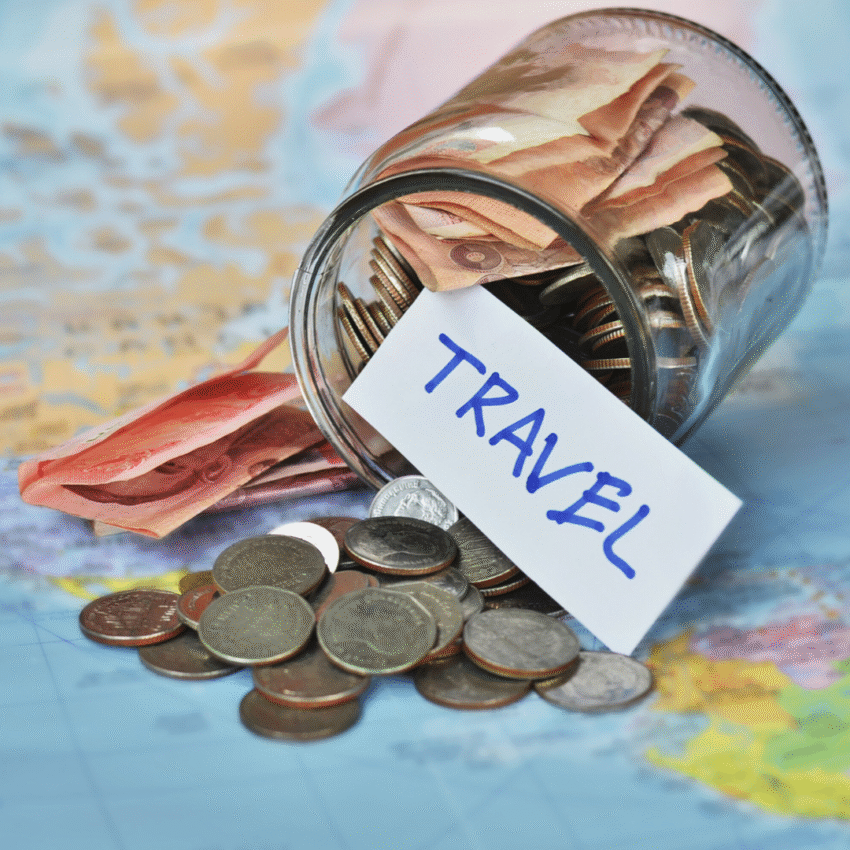
Long-term travel requires careful financial planning to ensure funds last throughout the entire journey. Many travellers underestimate daily expenses or unexpected costs, which can quickly disrupt their budget. Effective budgeting for long-term travel hinges on tracking all expenses, prioritising essential spending, and building a flexible financial plan.
Understanding how to manage money abroad, choosing affordable destinations, and planning for emergencies are crucial elements. This approach helps maintain financial stability while allowing the traveller to enjoy the experience fully.
By applying practical budgeting strategies, any long-term traveller can avoid common pitfalls and travel with confidence, knowing their money will go further without sacrificing comfort or safety.
Establishing Your Long-Term Travel Budget
Creating a budget for long-term travel requires a detailed understanding of personal finances and the total expenses involved. It includes estimating fixed and variable costs and planning for additional charges like visa fees and foreign transaction fees to avoid unexpected disruptions.
Assessing Your Financial Situation
Before setting a travel budget, travellers should review their current financial position thoroughly. This entails listing all sources of income, savings, and any ongoing financial obligations such as rent, loans, or credit card payments.
A clear picture of available funds helps identify how much can realistically be allocated to the trip. It’s essential to maintain an emergency reserve separate from the travel fund to cover unforeseen expenses or changes in plans.
They should also consider potential income during travel, such as remote work or freelancing, which can supplement the budget and increase financial flexibility.
Calculating Total Travel Costs and Hidden Fees
Estimating total travel costs includes more than just flights and accommodation. Long-term travellers must factor in visa fees, health insurance, vaccinations, and transport within countries.
Foreign transaction fees on credit or debit cards can add up, so choosing cards with low or no fees is crucial. Others may include luggage fees, local SIM cards, and occasional splurges.
It is helpful to create a detailed cost sheet breaking down each category, allowing easier adjustment and monitoring. This method clarifies what expenses are fixed and which are variable, helping plan for both everyday needs and irregular charges.
Setting a Realistic Daily and Monthly Budget
A practical daily and monthly budget balances comfort with cost efficiency. Travellers should research typical expenses for accommodation, food, transport, and activities in their destinations.
Using average costs, they can calculate a daily spending limit and multiply that by the trip length to obtain a monthly budget. Including a buffer of 10-15% for unexpected costs is advisable.
Budgets should remain flexible, allowing adjustments based on lifestyle changes or new opportunities. Regular reviews during travel help maintain control over finances and avoid overspending.
Building and Managing Your Travel Fund
Effective travel fund management includes planning your savings methodically, tracking progress precisely, and keeping funds organised separately from daily finances. This structured approach avoids overspending and provides clear visibility on available resources.
Saving Strategies Before Departure
He should identify non-essential expenses to cut, such as dining out or subscription services. Redirecting these amounts into the travel fund accelerates savings without noticeable lifestyle changes. Setting a clear savings goal, based on estimated trip costs, helps maintain focus.
Prioritising high-interest savings accounts or cash ISAs maximises interest earned. Avoiding impulse purchases and utilising discounts or cashback on regular expenses also contributes extra funds. Periodic reviews of the savings plan help adjust targets if needed.
Automating and Tracking Your Savings
Automation reduces the risk of forgetting to save. Setting up a standing order for a fixed amount each pay cycle ensures consistent contributions to the travel fund. This process removes decision fatigue and builds discipline.
Tracking progress through budgeting apps allows him to visualise savings growth. Many apps link directly to bank accounts, categorising income and expenditure. This insight helps identify areas to improve or speed up savings.
Creating a Separate Travel Fund
Keeping the travel fund in a separate account prevents accidental spending. He should choose an account with no withdrawal fees, dedicated solely to travel savings. This separation increases financial clarity and reduces temptation.
Using a sub-account feature or a separate bank altogether is advisable. Label the fund clearly, for example, “Travel 2026”, to reinforce the goal mentally. Regularly transferring any extra windfalls, like bonuses or tax refunds, can boost the fund rapidly.
Cost-Saving Techniques During Long-Term Travel
Efficient budgeting during long-term travel involves making strategic choices on accommodation, food, and transportation. Leveraging rewards schemes and reducing financial fees also play key roles in stretching a travel budget.
Choosing Affordable Accommodation Options
Long-term travellers benefit from prioritising budget accommodation like hostels, guesthouses, or budget hotels with kitchen access. Renting apartments or rooms through platforms such as Airbnb often offers discounts for monthly stays.
House-sitting provides free lodging in return for home and pet care, making it a cost-effective option. Websites dedicated to house-sitting connect travellers with owners globally. This option requires reliable communication and references.
Booking accommodations well in advance or during shoulder seasons can yield lower rates. Using price-comparison websites and reading reviews helps identify reliable, affordable places.
Preparing Your Own Meals and Eating Smart
Cooking meals reduces daily food expenses significantly, especially in countries with expensive dining options. Staying in accommodation with kitchen facilities allows travellers to shop at local markets and cook fresh ingredients.
Meal prepping and using simple, nutritious recipes lowers time and cost. Carrying portable cooking equipment when possible adds flexibility.
Eating local street food or dining where locals eat is affordable. Avoiding tourist areas for meals usually ensures better prices and authentic options.
Using Travel Rewards and House-Sitting Opportunities
Enrolling in travel rewards programmes linked to flights and accommodation offers long-term savings. Frequent flyer miles, credit card points, and hotel loyalty schemes accumulate value over multiple trips.
Using credit cards that waive foreign transaction fees reduces unexpected costs abroad. Some cards also offer travel insurance and discounts on partner services.
House-sitting not only eliminates accommodation costs but can extend stays affordably in desirable locations. This requires a responsible approach and proper agreements with homeowners.
Cutting Transportation and Banking Fees
Utilising regional or multi-use travel passes reduces individual transportation costs. Booking trains, buses, or flights ahead of time locks in lower prices.
Avoiding taxis in favour of public transport, walking, or cycling saves money. Sharing rides or carpooling, where available, is also economical.
Choosing debit and credit cards designed for overseas use minimises foreign transaction fees and ATM charges. Informing banks about travel plans prevents account freezes.
Keeping a small amount of local currency helps avoid frequent ATM fees, while using cards for larger expenses manages security and tracking.
Making Your Budget Last on the Road
Managing money carefully is essential during long-term travel. Keeping track of daily expenses, finding ways to earn income remotely, and safeguarding finances with the right insurance are key strategies.
Tracking and Adjusting Expenses with Budgeting Apps
Using budgeting apps like Trail Wallet, Mint, or YNAB helps track spending in real time. These apps categorise expenses, set limits, and provide alerts when nearing budget thresholds.
Regularly updating and reviewing the budget enables travellers to spot overspending early. Adjustments can then be made, such as choosing cheaper accommodation or eating locally to reduce costs.
Some apps allow syncing across devices, making it easier to control finances on the go. They also support multiple currencies, which assists with budgeting across countries.
Generating Income While Travelling
Freelance writing is a popular option for earning income during extended trips. Platforms such as Upwork or Fiverr connect writers with clients worldwide, allowing flexible work hours.
Other remote jobs include graphic design, online tutoring, or digital marketing. Such roles provide steady income streams and reduce financial pressure.
Creating a schedule to balance work and travel is crucial. Prioritising reliable internet access and time zones can maximise earning potential.
Protecting Yourself with Travel Insurance
Travel insurance designed for long-term travel covers unexpected medical costs, trip cancellations, and lost belongings. Policies should be carefully compared for coverage details, especially regarding pre-existing conditions.
Choosing an insurer like World Nomads or Allianz Global Assistance can offer broad protection. Some plans allow extensions, giving flexibility if travel duration changes.
Carrying proof of insurance and emergency contacts is vital when abroad. It helps avoid costly situations and provides peace of mind.