
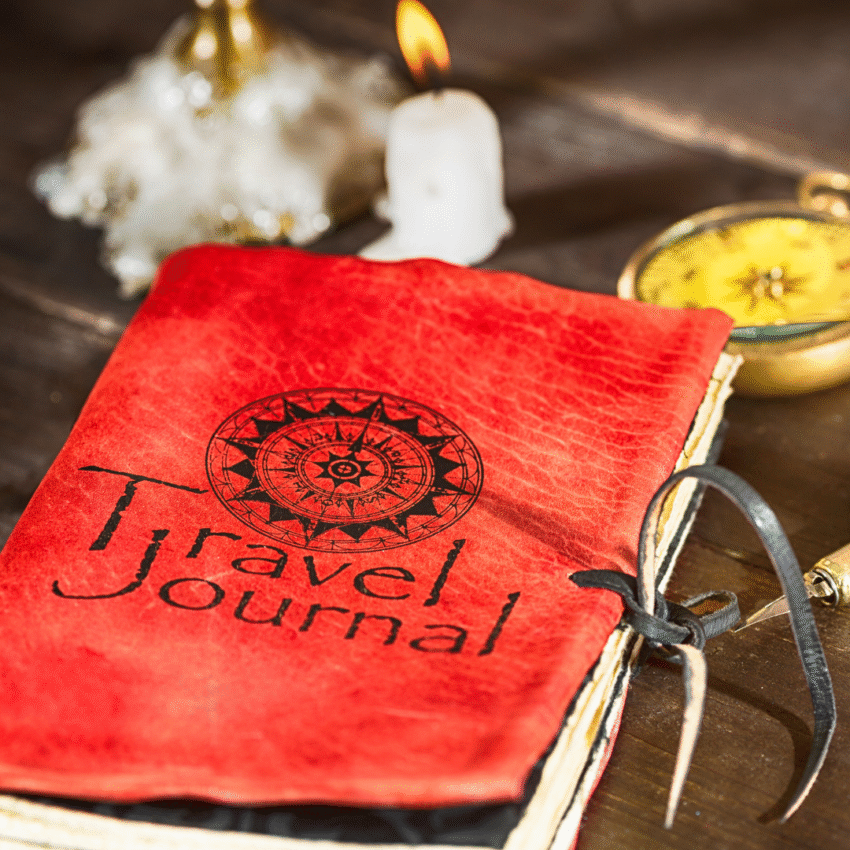
Documenting a journey effectively allows one to capture moments that might otherwise be forgotten. The key to creating memorable documentation is to combine personal reflection with clear, engaging details that bring the experience to life. This method helps both the writer and reader connect with the story on a deeper level.
Using a mix of formats such as photos, written notes, and audio recordings enriches the narrative, making it more immersive. Consistency in recording and thoughtful selection of what to include are crucial to maintaining authenticity and interest throughout the process.
Core Principles of Memorable Journey Documentation
Effective journey documentation balances genuine moments, consistent reflection, and the right choice of platform. It requires clear decisions about what to capture, how often to reflect, and which formats best express the travel experience.
Capturing Authentic Travel Experiences
Authenticity is crucial when documenting travel experiences. Rather than focusing on perfect images or clichéd descriptions, it is important to capture moments that truly represent the place and feeling. This includes noting sensory details, local interactions, and unique cultural elements that might be overlooked in typical travel accounts.
Personal anecdotes, honest reactions, and unfiltered impressions help create a genuine record. Using a mix of photos, audio clips, or quick journal entries can preserve spontaneity and depth. The goal is to evoke the real atmosphere rather than a staged version.
Importance of Consistency and Reflection
Consistent documentation ensures no key moments are lost over time. Setting a routine, like daily journaling or brief recordings after each activity, helps build a continuous narrative. This ongoing practice prevents gaps that weaken the journey’s story.
Reflection is equally important; it allows travellers to interpret their experiences and notice patterns or lessons learned. Taking time to review and add context enriches the documentation. This might involve summarising feelings or linking events, creating layers of meaning beyond raw data.
Choosing the Right Platform and Format
Selecting an appropriate platform depends on the traveller’s goals and style. Options include digital blogs, photo books, social media channels, or traditional notebooks. Each format serves different purposes—blogs offer broad sharing, while handwritten journals provide privacy and personal depth.
Consider factors such as accessibility, ease of use, and longevity. For example, a digital platform should support mixed media formats if photos and videos are essential. Meanwhile, printed formats help preserve memories beyond the lifespan of hardware or online accounts. Matching format to intention strengthens the overall travel documentation.
Creative Methods to Document Your Journey
Effective documentation involves capturing experiences in diverse formats that reflect personal style and enhance recall. Using written accounts, visual elements, and tangible keepsakes can create a rich, multidimensional record.
Travel Journals and Written Reflections
Travel journals allow for detailed storytelling and personal reflection. They can include daily entries, descriptions of places visited, thoughts on cultural encounters, and emotional responses. Writing by hand can enhance memory retention and create a more intimate connection with the journey.
Incorporating lists such as new words learned, favourite meals, or memorable encounters brings structure and variety. Some prefer digital travel journals, which offer convenience and easy organisation through tagging and search functions. Careful dating and location notes keep the record chronological and easy to revisit.
Photography and Photo Albums
Travel photography records the visual aspects of a journey. It captures landscapes, moments, and people, providing vivid context alongside written memories. Selecting photos that tell a story rather than just documenting scenes makes albums more engaging.
Physical or digital photo albums serve as curated collections of travel photos. Organising by date, destination, or theme can improve clarity and impact. Captions with brief notes on location, date, or experiences enrich the photos and preserve travel memories effectively.
Travel Scrapbooks and Keepsakes
Travel scrapbooks combine photos, tickets, maps, and small souvenirs into one creative format. They offer a tactile, personalised way to preserve memories beyond text and images. Adding handwritten notes, sketches, or pressed flowers adds emotional depth.
Using pockets or envelopes to store fragile keepsakes safely is practical. Scrapbooks encourage combining various travel memories, making them ideal for those who enjoy hands-on creativity. This method preserves the journey’s sensory and sentimental elements in a compact, accessible form.
Digital Tools for Preserving Your Travel Story
Capturing a travel story today involves more than writing notes. It includes combining pictures, videos, and routes to create a vivid memory archive. Using the right digital tools can help organise and enhance this process effectively.
Travel Blogs and Online Storytelling
Travel blogs remain a popular platform for detailed storytelling. They allow a combination of text, photos, and links, creating a rich narrative. Platforms like WordPress and Blogger offer easy-to-use templates that let travellers customise their entries with categories or tags.
Evernote is another useful tool for drafting blog posts or storing ideas on the go. It synchronises notes across devices, allowing quick access to travel thoughts or descriptions. Organising travel stories by date or location makes it easier to revisit or share experiences later.
Writers often embed Google Photos galleries within blogs to showcase albums without cluttering the page. Dropbox is also helpful for backing up larger files or sharing photo collections privately with friends and family.
Vlogs, Videos, and Multimedia
Travel vlogs add a dynamic visual element to storytelling. Platforms like YouTube or Vimeo enable easy uploading and sharing of high-quality travel videos. Many travellers use smartphones or action cameras to record clips, which are then edited into concise, engaging episodes.
Clear narration or subtitles improve viewer understanding and engagement. Video editing software such as Adobe Premiere Rush or iMovie allows simple trimming, adding transitions, and background music to enhance videos.
Creating a consistent upload schedule helps build an audience. Vlogs can document daily highlights, cultural experiences, or detailed guides, making travel stories both informative and entertaining for viewers.
Maps and Route Tracking
Travel maps offer a visual way to track journeys and mark visited locations. Tools like Google Maps allow travellers to plot their routes and add notes or photos to specific spots. This creates a digital travel map that is easy to share.
Apps like Polarsteps automatically record routes in real time, providing an interactive timeline of the trip. Such tracking ensures nothing is overlooked and allows better planning for future trips.
Maintaining a travel map alongside blogs or vlogs adds context and enriches the story. It helps travellers remember precise locations tied to their experiences and can be an interesting feature for audiences following their journey.
Maximising the Impact and Longevity of Your Travel Memories
To preserve travel memories effectively, it is essential to keep them well-organised and secure. Sharing these experiences thoughtfully allows them to remain vivid and meaningful over time.
Organising and Backing Up Content
Keeping travel experiences organised begins with a consistent system for naming and sorting files. Using folders named by date or location helps locate specific memories later. He or she should regularly upload photos and videos to cloud services like Dropbox or Google Photos.
Backing up content to multiple platforms prevents data loss. Setting up automatic syncing with Google Photos ensures recent travel photos save without manual effort. It is also wise to periodically export copies onto an external hard drive for added security. Consistent tagging or adding descriptions to images can improve searchability later.
Sharing Experiences with Others
Sharing travel memories can enhance their value and meaning. He or she should select highlights to share on social media or private groups, maintaining a balance between personal privacy and engagement. Storytelling through captions or short videos helps convey not just visuals but emotions tied to the experience.
Using cloud albums with shared access, such as Dropbox folders, allows close friends or family to view and contribute. Creating themed photo books or digital slideshows is an effective method for long-term sharing. Sharing should focus on moments that best represent the journey’s unique aspects to keep the memories vivid.