
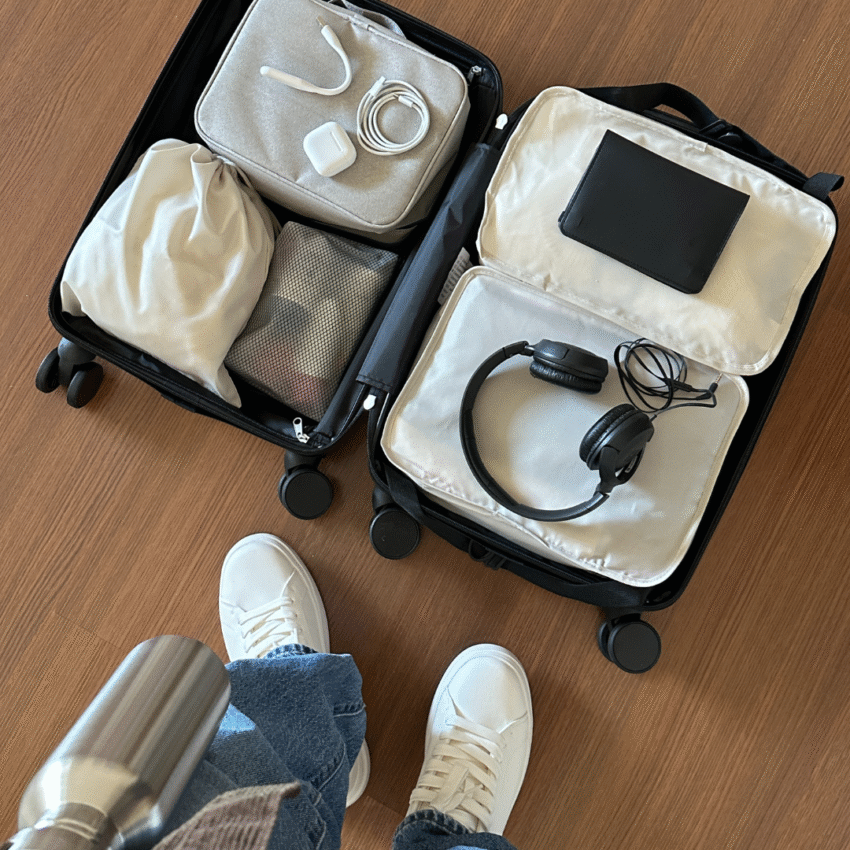
Packing light without missing essentials is a skill that can save time and reduce stress while travelling. It requires careful selection of items that serve multiple purposes and a clear understanding of what is truly necessary. The key is to prioritise versatile and essential items while leaving behind what adds unnecessary weight.
Many travellers struggle because they pack for every possible scenario instead of considering what they will realistically need. By focusing on quality over quantity, they can create a compact, efficient bag. This approach ensures convenience without risking the absence of important items.
Knowing which essentials to include and how to organise them effectively allows for a smoother journey. It also frees up space for souvenirs or last-minute additions without overburdening the traveller.
Core Principles of Packing Light
Packing light means carrying only what is necessary, which reduces hassle and increases mobility. It requires clear decision-making and planning to keep essential items without overpacking or missing key needs.
Understanding the Importance of Travelling Light
Travelling light minimises physical strain, allowing for easier movement through airports, stations, or city streets. It often leads to quicker security checks and less waiting time due to fewer bags.
Beyond convenience, packing light can save money. Many airlines charge extra for checked luggage, and a smaller bag avoids these fees.
Packing light also helps maintain focus on experiences rather than possessions. It encourages mindful selection of versatile clothes and essentials, making travel more efficient.
The Essential Role of a Packing List
A packing list organises priorities and prevents unnecessary items from sneaking in. It acts as a checklist to keep track of essentials and avoid forgetfulness.
Effective packing lists specify quantities and types of clothing based on weather, activities, and trip length. This helps balance between too few items and excess gear.
A good packing list is often revisited and adjusted for each trip, reflecting lessons learned and improving packing accuracy. It is a practical tool for applying the principle of travelling light every time.
Choosing and Organising Essentials
Efficient packing begins with selecting items that cover multiple needs while keeping the load light. Choosing adaptable clothing, necessary toiletries, and building a capsule wardrobe helps travellers avoid overpacking without sacrificing comfort or utility.
Selecting Versatile Clothing for Any Trip
Versatile clothing is key to packing light. Items like merino wool base layers and neutral-coloured tops can be mixed and matched easily, fitting various climates and occasions. Merino wool is especially valued for its breathability, odour resistance, and quick-drying properties, making it ideal for multi-day use without washing.
Choose pieces that can be layered for warmth or worn alone in heat, such as lightweight jackets, simple T-shirts, and convertible trousers. Avoid single-use or highly specialised garments. Limiting footwear to one pair of casual shoes and one pair of sandals or trainers reduces bulk and keeps the luggage manageable.
Essential Toiletries and Personal Items
Focus on compact, multi-purpose toiletries to save space. A travel-size toothpaste, shampoo, and biodegradable soap fit into small containers and meet hygiene needs without excess bulk. Items like a reusable razor, toothbrush cover, and solid shampoo bars provide function without liquid restrictions.
Personal items should include necessary medications, minimal makeup, and skincare essentials appropriate for the destination’s climate. Organising these in a clear, zippered pouch keeps items accessible and prevents spills or loss during travel.
Creating a Functional Capsule Wardrobe
A capsule wardrobe combines a limited number of essential, interchangeable pieces. This mainly includes 5-7 clothing items that work well together, such as a few tops, bottoms, and layering pieces, all in similar colour schemes for easy coordination.
The choice of fabrics like merino wool or wrinkle-resistant cotton supports easy maintenance. Accessories are kept minimal but functional, including a scarf or belt to alter outfits subtly. This approach reduces decision fatigue and maximises packing efficiency.
Smart Packing Strategies
Packing light requires deliberate choices to keep bulky items down while ensuring nothing essential is forgotten. Organising clothes and gear efficiently, selecting versatile items, and trimming unnecessary technology can significantly reduce load and stress during travel.
Maximising Space with Packing Cubes
Packing cubes help segment belongings, allowing travellers to compress clothes neatly and use every inch of luggage effectively. They create order by separating categories like underwear, shirts, and accessories, making items easier to locate without unpacking everything.
Using different-sized cubes accommodates various fabric thicknesses. Compressible cubes reduce volume further by squeezing out trapped air. Labelled cubes prevent unnecessary digging, saving time at security checks or when changing locations.
Durable materials with water resistance add protection from spills or rain. Investing in a quality set improves packing consistency and enhances suitcase shape, avoiding bulges and wasted space.
Efficient Packing Techniques and Folding Methods
Rolling clothes instead of folding can save space and reduce wrinkles, particularly for t-shirts, jeans, and casual wear. Items with stiff creases, such as dress shirts, benefit more from flat folding.
Layering smaller items inside shoes or hats uses hidden spots wisely. Packing heavier items at the bottom balances the load, improving mobility.
Using the bundle wrapping method—wrapping garments around a central core—minimises creases and distributes weight evenly. Packing softer fabrics around structured items protects fragile belongings.
Utilising Multi-Functional Items to Reduce Bulk
Multi-functional items cut down the number of pieces needed, lowering overall volume. A jacket with a removable lining doubles as two garments. Shoes designed for multiple occasions avoid packing both casual and formal pairs.
Convertible clothing, like zip-off trousers or reversible tops, provides several outfits from one item. Accessories with dual purposes, such as a scarf that acts as a blanket, reduce extra layers.
Travel-friendly gadgets combining functions, such as a power bank with built-in cables or a pen with a stylus, reduce clutter. Prioritising versatile, lightweight pieces enhances packing efficiency while covering essential needs.
Minimising Technology and Miscellaneous Essentials
Limiting technology to crucial devices avoids excess weight and the hassle of many chargers. A smartphone replacing a camera, GPS, and music player consolidates functions.
Packing universal or dual-purpose chargers and adapters saves space. Choosing e-books over physical books trims bulk significantly.
Reducing miscellaneous items means asking if each has a clear purpose. Small toiletries in travel containers prevent overpacking. A compact first aid kit ensures preparedness without extra bulk.
Keeping technology and extras minimal streamlines travel and eases carry-on limitations.
Final Steps Before Departure
Ensuring luggage meets airline weight limits and confirming essential last-minute items are ready reduces stress during travel. Attention to small details improves convenience and helps maintain a lightweight, practical packing approach.
Weighing Your Luggage and Verifying Restrictions
Passengers should use a reliable luggage scale to check the weight of their bags well before arriving at the airport. This avoids unexpected fees and delays due to overweight luggage. Different airlines impose varied weight limits, so consulting the airline’s official website for the precise allowance is critical.
Carry-on dimensions and weight restrictions are as important as checked baggage rules. Overpacking risks sudden repacking or purchasing additional baggage, which can increase costs and cause inconvenience.
It is advisable to remove non-essential items if the suitcase exceeds the limits. Prioritising essentials ensures a lighter load, making travel easier and more efficient.
Packing a Reusable Water Bottle and Last-Minute Must-Haves
A reusable water bottle is a vital travel companion. Many airports have water refill stations, reducing the need to buy single-use plastic bottles. Choosing a lightweight, collapsible bottle saves space and weight.
Last-minute essentials include travel documents, medications, chargers, and a compact toiletry kit. These should be easily accessible to avoid delays.
Packing items like headphones or snacks in an easy-to-reach bag section also streamlines security checks and provides comfort during long journeys. Double-checking these before departure guarantees no essential items are forgotten.