
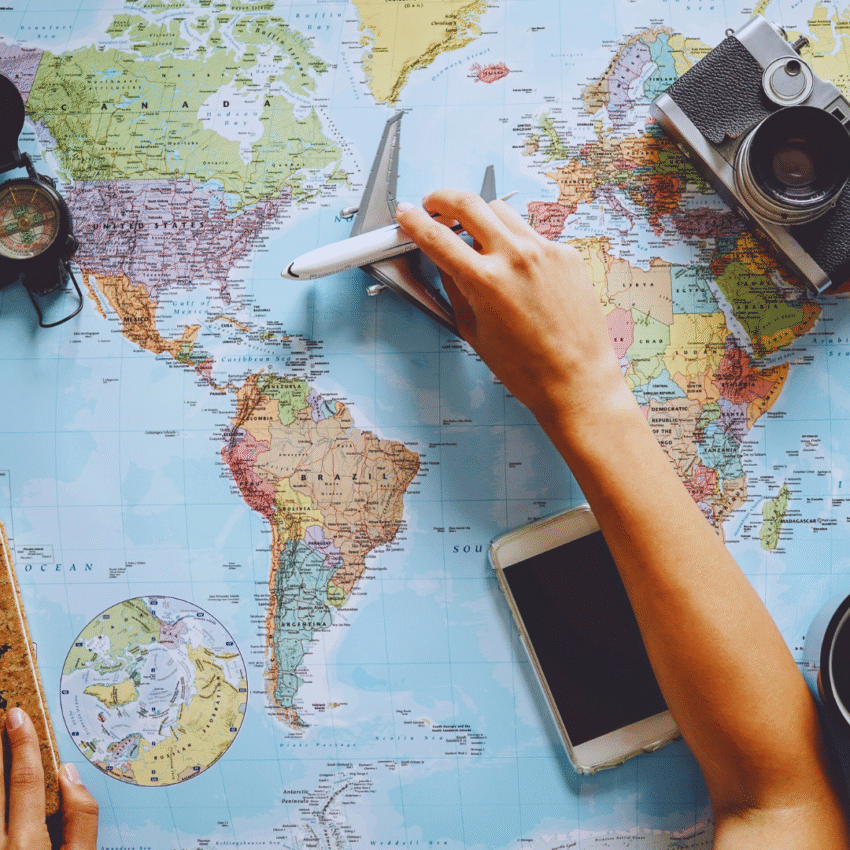
Planning a round-the-world trip is an exciting endeavour that requires careful consideration and organisation. A successful RTW trip begins with a clear destination list, budget outline, and a flexible itinerary that allows for spontaneous adventures. This journey can take travellers to diverse cultures, stunning landscapes, and unforgettable experiences across multiple countries.
When preparing for this voyage, it is crucial to research visa requirements and transportation options. Travellers should consider using round-the-world tickets, which provide economical ways to navigate through various continents. Additionally, incorporating essential travel insurance can safeguard against unexpected events during the journey.
Ultimately, to travel around the world effectively, one must balance planning with the enjoyment of travel itself. Knowing how to adapt plans and embracing changes along the way can transform a simple trip into a life-changing experience.
Essential Steps for Planning a Round-the-World Trip
Planning a round-the-world trip requires careful consideration of various aspects, including budgeting, destination choices, and necessary documentation. The following steps outline crucial elements for successful travel planning.
Setting a Travel Budget
A well-defined travel budget serves as a foundation for any lengthy journey. Start by estimating overall costs, including flights, accommodation, food, activities, and insurance.
- Airfare: Research around-the-world tickets, which often offer better rates than booking individual flights.
- Accommodation: Allocate funds for hostels, hotels, or short-term rentals. Sites like Airbnb can provide affordable options.
- Daily Expenses: Calculate daily costs for meals, transport, and activities in each country. Southeast Asia is generally more affordable compared to New Zealand or Fiji.
Using a simple spreadsheet can help track anticipated and actual expenses, allowing for adjustments as needed.
Creating an Itinerary and Choosing Destinations
Selecting destinations is a vital step that shapes the travel experience. Prioritise countries, considering famous sites and cultural experiences.
- Tourist Trail: Include iconic locations like the Taj Mahal in India and Angkor Wat in Cambodia.
- Cultural Exploration: Opt for cities rich in history and culture, such as Los Angeles for its entertainment and New Zealand for its stunning landscapes.
Create a rough itinerary, taking into account travel time between countries. Flexibility is key, allowing room for exploration. Research visa requirements early to avoid delays.
Securing Visas and Travel Insurance
Obtaining the necessary visas is essential for hassle-free travel. Research requirements for each country in the itinerary. Some destinations in Southeast Asia offer visas on arrival, while others may require an advance application.
- Travel Insurance: Purchase comprehensive travel insurance covering health issues, trip cancellations, and theft. This safeguards against unforeseen circumstances that could derail travel plans.
Ensure the insurance policy meets long-term travel needs and understand the claims process for peace of mind during the journey.
Transport Options and Booking Strategies
Choosing the right transport options can significantly influence the success of a round-the-world trip. It is essential to consider flights, regional travel, and the best strategies for booking them.
Booking Flights and RTW Tickets
When planning international travel, flights are often a primary mode of transport. Many travellers opt for Round-The-World (RTW) tickets, which are offered by airline alliances such as Star Alliance and Oneworld.
These tickets allow access to numerous destinations at a fixed price. Key considerations include:
- Destinations: Ensure the ticket covers the desired locations.
- Travel Dates: Flexibility can lead to lower prices and availability.
- Booking Timeframe: RTW tickets typically require booking several months in advance.
Using platforms like Expedia can also yield competitive flight options. Comparing basic fares against RTW tickets aids in determining the best value.
Planning Overland Routes and Regional Travel
For segments where flying isn’t optimal, overland travel becomes essential. Backpacking often leads to immersive experiences in various regions. Options include:
- Trains: Efficient for scenic routes, such as the European rail system.
- Buses: Economical for short to medium distances, especially in Southeast Asia and Latin America.
- Car Rentals: Offers flexibility for exploring remote areas.
When planning overland routes, consider the following:
- Safety and Reviews: Research safety records and seek recommendations from travel guides.
- Timing: Allow ample time for travel to avoid rushed experiences.
- Local Transport: Familiarise yourself with local transport systems to navigate efficiently.
Effective planning ensures a smoother, more enjoyable journey during a round-the-world trip.
Accommodation and On-the-Road Logistics
Planning accommodation and managing logistics on a round-the-world trip is crucial for a smooth travel experience. Choosing the right types of accommodation and organising daily activities can significantly enhance comfort and efficiency.
Selecting Accommodation Options
When selecting accommodation, travellers can consider several options based on budget and preference. Hotels offer reliability and amenities, while platforms like Hotels.com and Expedia provide numerous choices at competitive rates.
For those seeking long-term stays, hostels or apartments may prove more cost-effective. They often come equipped with kitchen facilities for cooking, reducing food costs. Additionally, Airbnb can be a fantastic choice for unique local experiences.
It is essential to research destinations in advance. Checking reviews and ratings can help in selecting quality accommodation. Flexibility is also important; booking a few nights ahead, especially in high-demand areas, can prevent last-minute issues.
Managing Daily Life While Travelling
Managing daily life on the road involves maintaining a routine that balances exploration with practical needs. A daily checklist can help in organising tasks such as sightseeing, meals, and rest.
Local transportation options should be evaluated; reliance on public transport can offer a genuine experience while minimizing expenses. Using apps for navigation can aid in efficiently planning routes.
Staying connected is vital. Using local SIM cards or portable Wi-Fi devices ensures access to necessary information. Budgeting for daily expenses, including accommodation, meals, and entertainment, can keep finances in check. By planning while remaining adaptable, travellers can maximise their enjoyment and minimise stress.